 by
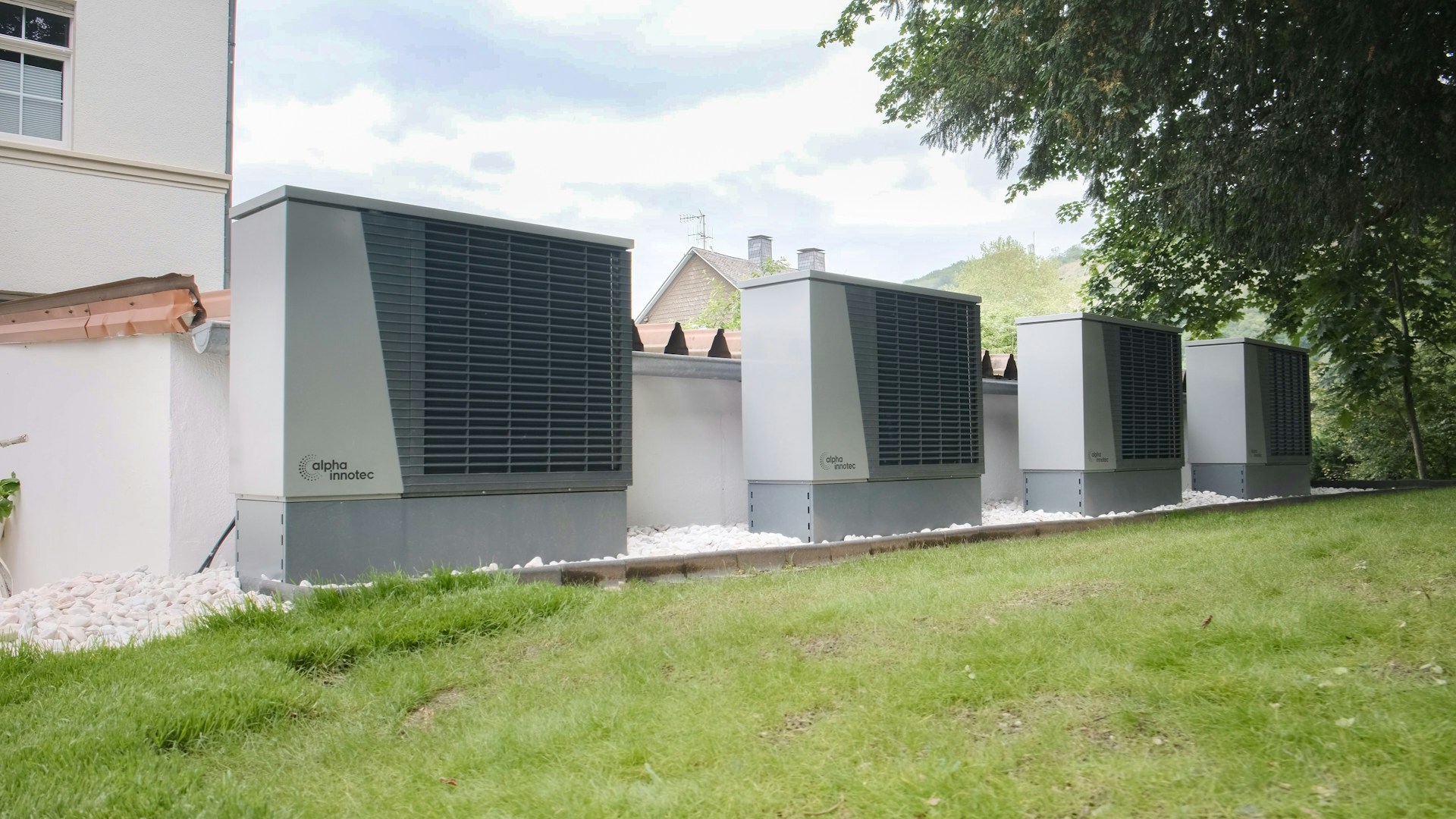
University of Michigan researchers say widespread electric heating could shift the Midwest’s toughest power-demand periods from summer heat waves to bitter winter mornings.
ANN ARBOR, Mich. — Widespread heat-pump adoption could sharply increase extreme winter electricity demand across Michigan and the Midwest, according to new University of Michigan research that raises questions about how utilities should prepare for colder-weather power peaks.
The study found that increased heat pump use and better building insulation could drive future peak demand more than climate change alone. Under scenarios that exclude future warming, extreme demand increased 60% to 104% by 2060 across cold regions, including the Midwest.
The researchers did not predict an imminent electricity shortage. Instead, they found that the region could gradually shift from a grid designed mainly for summer air-conditioning demand to one that must also handle intense winter heating loads.
“We focused on the extreme peak demands because we want to keep our power systems reliable,” said Mai Shi, a postdoctoral research fellow at U-M’s Center for Sustainable Systems. “If the system works for moderate conditions but fails in extremes, it doesn’t work.”
Cold Weather Changes the Grid Math
Heat pumps transfer heat rather than produce it directly, so they use far less energy than electric baseboard heat or electric furnaces. The same equipment can heat a home in winter and cool it in summer.
But replacing a propane, oil or natural gas furnace with a heat pump moves part or all of that home’s heating demand onto the electric grid.
That change matters most during a severe cold snap. A heat pump generally consumes more electricity as outdoor temperatures fall. Some systems also use electric resistance coils as backup heat, creating a large power draw when many homes need heat at the same time.
The U-M-led team modeled building electricity demand through 2060 in 183 U.S. counties. Its framework included 209,352 machine-learning models, 100 downscaled climate projections, four climate models, three emissions scenarios and 18 possible rates of heat-pump and insulation adoption.
The research was published Oct. 20 in the peer-reviewed journal Proceedings of the National Academy of Sciences.
The authors found that climate change and new heating technology do not affect power demand independently. In cold regions, their combined effect could increase peak demand by up to 10 times what climate change alone would by 2060.
Warmer winters could moderate some of the increase by allowing heat pumps to operate more efficiently. Even so, the timing and pace of adoption could determine whether utilities face a manageable transition or a rapid change in seasonal demand.
Michigan Has Set a Major Heat-Pump Goal
The findings carry added weight in Michigan, where a state-backed policy roadmap released in March set a goal of installing 2.8 million residential heat pumps by 2040.
The roadmap promotes all-electric homes, updated building codes, utility incentives, financing programs, and better electric-rate designs. It is intended to help Michigan meet its long-term carbon-reduction goals while cutting fossil-fuel use in homes.
Heat pumps may be particularly attractive in rural Michigan communities that lack natural gas service. About 8% of Michigan households use propane for heat, and the state consumes more residential propane than any other state.
That includes many homes in the Thumb, the northern Lower Peninsula, and the Upper Peninsula. Those areas could benefit from lower fuel use, but rapid adoption could also place new demands on rural substations, transformers and distribution lines during cold weather.
Michigan Currently Has Winter Capacity to Spare
The U-M findings do not mean Michigan’s grid is already at its winter limit.
The Michigan Public Service Commission’s most recent winter appraisal found sufficient electricity supply. For the 2025-26 winter, MISO Zone 7, which covers much of the Lower Peninsula, required 16,794 megawatts of capacity. About 19,604 megawatts cleared the regional capacity auction.
A separate report released Oct. 15 by RMI estimated that Michigan has about 7.6 gigawatts of winter “headroom,” meaning available generating capacity beyond current winter demand and required reserves.
RMI estimated that Michigan’s existing system could accommodate heat pumps in an additional 1.1 million homes if all were fully electric. A mix of all-electric and hybrid systems that retain a furnace for the coldest hours could serve an additional 3.6 million homes without exceeding the modeled headroom.
The two studies address different questions.
RMI examined how many heat pumps could fit within today’s grid capacity under recent, representative weather. The U-M study examined how extreme building demand could evolve through 2060 under different climate and technology paths.
RMI also cautioned that its statewide estimate does not fully reflect local distribution constraints. A utility may have adequate generating capacity across Michigan while still needing to replace a neighborhood transformer or strengthen a rural feeder.
MISO Already Sees More Winter Risk
Michigan’s grid operator is preparing for broader changes beyond home heating.
The Midcontinent Independent System Operator, or MISO, said in June that member forecasts point to annual load growth of 3.1% to 5.1% during the next five years. New data centers, industrial projects, electric vehicles, and building electrification are driving that increase.
MISO also reported that reliability risk is shifting from summer toward winter as electricity use and the regional power-plant fleet change. The operator is revising how it measures the seasonal value of power plants beginning with the 2028-29 planning year.
Heat pumps would be only one part of that growth. The U-M study modeled demand from residential and commercial buildings, not the entire power system. It did not forecast how much new generation, battery storage or transmission utilities will build by 2060.
Its regional results also should not be read as a precise prediction for DTE Energy, Consumers Energy or any individual Michigan cooperative.
Efficiency Could Limit the Winter Peak
The study points to several ways utilities and policymakers could reduce winter strain while continuing to promote heat pumps.
Weatherization can lower heating demand before utilities install new equipment. Cold-climate heat pumps can maintain better efficiency at low temperatures, while hybrid systems can use a furnace during a limited number of extreme hours.
Utilities also can offer rates that reward customers for reducing demand during critical periods. Thermal storage, smart thermostats, controlled backup heat and battery systems could spread demand across more hours.
The core warning is about timing. Michigan may have enough winter generating capacity for substantial heat-pump growth today, but that margin is not permanent.
If millions of homes, vehicles, and businesses begin drawing more electricity during the same cold hours, utilities will need to plan for winter demand before it becomes the state’s new power peak.
Primary study: Disentangling the evolving effects of climate change and technology diffusion on building electricity demand



